

Breath is much more than a way to bring oxygen into the body. It is one of the few physiological functions that is both automatic and under conscious control, making it a powerful bridge between the mind and body. Whether you're looking to reduce stress, regulate your nervous system, or deepen your connection with yourself, breathwork offers a science-informed, body-based approach to healing and well-being.
1. Embodiment & Body Awareness
Breath brings you back into contact with your body.
For many people navigating chronic stress, anxiety, or trauma, there's a subtle disconnection—feeling "in your head," emotionally numb, or distant from physical sensations. Over time, the nervous system can lose touch with the body's natural signals of safety, rest, and regulation. Trauma-informed breathwork helps rebuild this brain-body connection safely and gradually.
As you learn to slow down and turn inward, you begin to notice:
where you hold tension
how your body responds to stress
the sensations beneath emotions
what safety, grounding, and presence actually feel like
This growing body awareness is the foundation of lasting change. The more connected you become to your internal experience, the easier it becomes to recognize patterns, regulate your nervous system, and respond with intention rather than reacting automatically. Because ultimately, you can't shift what you can't feel!
2. Nervous System Regulation
Your breath is one of the most direct ways to influence your nervous system.
Unlike many other bodily functions, breathing is both automatic and voluntary, making it a powerful bridge between the mind and body. Through intentional breathing patterns, you can begin shifting your physiology in real time and supporting a more balanced nervous system.
Research shows that specific breathing techniques can:
slow the heart rate
activate the parasympathetic ("rest and restore") nervous system
reduce stress hormones
increase heart rate variability (HRV), a key marker of resilience and adaptability
Rather than remaining stuck in chronic fight-or-flight, shutdown, or emotional overwhelm, breathwork helps your nervous system become more flexible and responsive. You begin developing the capacity to move between somatic states with greater ease instead of feeling trapped in one pattern. Over time, this increased nervous system flexibility can support greater calm, emotional resilience, improved stress management, and a deeper sense of balance in everyday life.
3. Emotional Release & Expanded States
The breath doesn't just regulate—it can also create the conditions for deeper healing.
As the nervous system begins to soften and the body feels safer, emotions, stress, and protective patterns that have been held beneath the surface may naturally begin to emerge. Rather than trying to "make something happen," trauma-informed breathwork creates an environment where the body can gradually release what it is ready to let go of.
Our approach is not about chasing intensity, catharsis, or dramatic breakthroughs. We are not interested in forcing emotional release. Instead, we focus on gently loosening the nervous system's protective armour so that insight, emotion, and healing can unfold at their own pace.
With guided breathwork, mindfulness, and careful facilitation, you may begin to experience:
the release of stored stress and tension in the body
intentional access to core emotions rather than cycling through the same patterned responses
moments of profound presence, insight, or connection to yourself and your biography
When the body no longer needs to work so hard to protect itself, it naturally becomes more open to healing. The deepest shifts often arise not from pushing harder, but from creating enough safety for the nervous system to soften and allow change to emerge organically.
The Science Behind Breathwork
Breathwork influences the autonomic nervous system—the body's built-in system for regulating stress, recovery, emotional states, heart rate, and overall physiological balance. Because breathing directly influences oxygen and carbon dioxide levels, heart rate, and neural signalling, intentional breathing patterns can shift how the brain and body communicate in real time.
Different breathing methods create different physiological responses, each serving a unique therapeutic purpose.
Wim Hof Method uses rhythmic breathing combined with intentional breath holds to temporarily alter oxygen and carbon dioxide levels, activate the sympathetic nervous system, and build resilience to physical and psychological stress.
Holotropic Breathwork incorporates sustained, accelerated breathing to facilitate deep emotional exploration, support the processing of unresolved experiences, and access non-ordinary states of awareness.
Conscious Connected Breathing uses a continuous circular breathing pattern with no pause between the inhale and exhale, encouraging greater body awareness, emotional processing, and nervous system integration.
Pranayama includes a variety of traditional yogic breathing practices designed to regulate breathing patterns, balance the nervous system, improve concentration, and cultivate greater inner calm and vitality.
Although each breathing method works through slightly different physiological mechanisms, they all share a common goal: strengthening communication between the brain, body, and nervous system to promote greater regulation, resilience, and emotional well-being.
Experience Somatic Breathwork for Yourself
Reading about breathwork is one thing—experiencing it is something entirely different. While understanding the science can be helpful, lasting change happens through practice and direct experience.
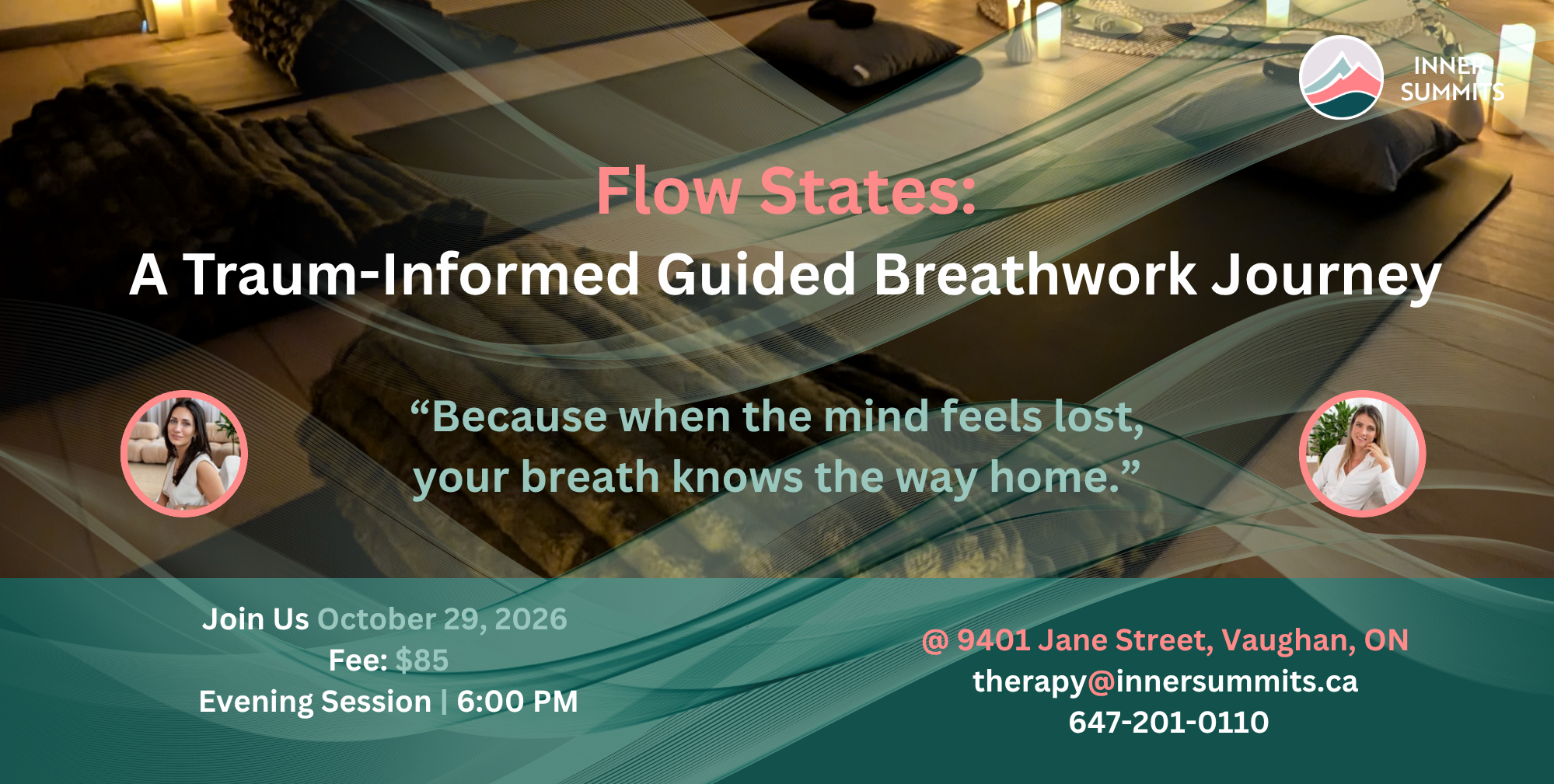
At A Time To Heal, our trauma-informed somatic breathwork sessions combine intentional breathing, mindful movement, somatic practices, and therapeutic music to support nervous system regulation, emotional well-being, and deeper mind-body connection. Whether you're navigating chronic stress, anxiety, burnout, or simply looking to reconnect with yourself, our guided group experiences offer a safe and supportive environment to explore the healing potential of your breath.
We invite you to join us and discover how intentional breathing can become a powerful tool for greater resilience, presence, and lasting well-being.